Market snapshot: Tuesday, August 18, 2026, using Reuters' 9:35 a.m. ET U.S. market update.
This is an intraday momentum screen, not a closing-price forecast.
The useful story in Tuesday's market is not that “stocks are down.” It is that money is rotating somewhere very specific.
At Reuters' 9:35 a.m. ET snapshot, the S&P 500 was down 0.46% and the Nasdaq was down 1.04%, while the Philadelphia semiconductor index had fallen about 3.7%. At the same time, the S&P 500 Energy sector was up 1.4%, and healthcare and consumer staples were also gaining as investors moved toward more defensive exposures.
That leaves four areas worth watching: energy producers, refiners, healthcare and consumer staples. I would not treat all four as automatic buys. The point is to identify where relative strength is real enough to survive a weak tape.
Momentum snapshot
| Theme | Evidence of strength | Main catalyst | What would break it |
|---|---|---|---|
| Energy producers | Energy +1.4% while S&P 500 and Nasdaq fall | Brent around three-week highs; U.S.-Iran talks remain stalled | Oil reverses sharply on credible peace progress and energy gives back its relative gain |
| Refiners | VLO and PSX entered Tuesday after fresh 52-week highs Monday | Tight diesel/jet-fuel supply and strong refining margins | Former breakout levels fail while crack spreads and oil both soften |
| Healthcare | Sector gaining while volatility rises | Defensive rotation away from high-duration tech | Yields fall, volatility fades and growth leadership returns |
| Consumer staples | Sector gaining in the same risk-off tape | Demand stability and lower earnings-duration sensitivity | Energy/input-cost inflation overwhelms the defensive bid |
1. Energy producers: the cleanest live relative-strength signal
Energy is the clearest group on the screen because the strength is visible today, not just in a backtest.
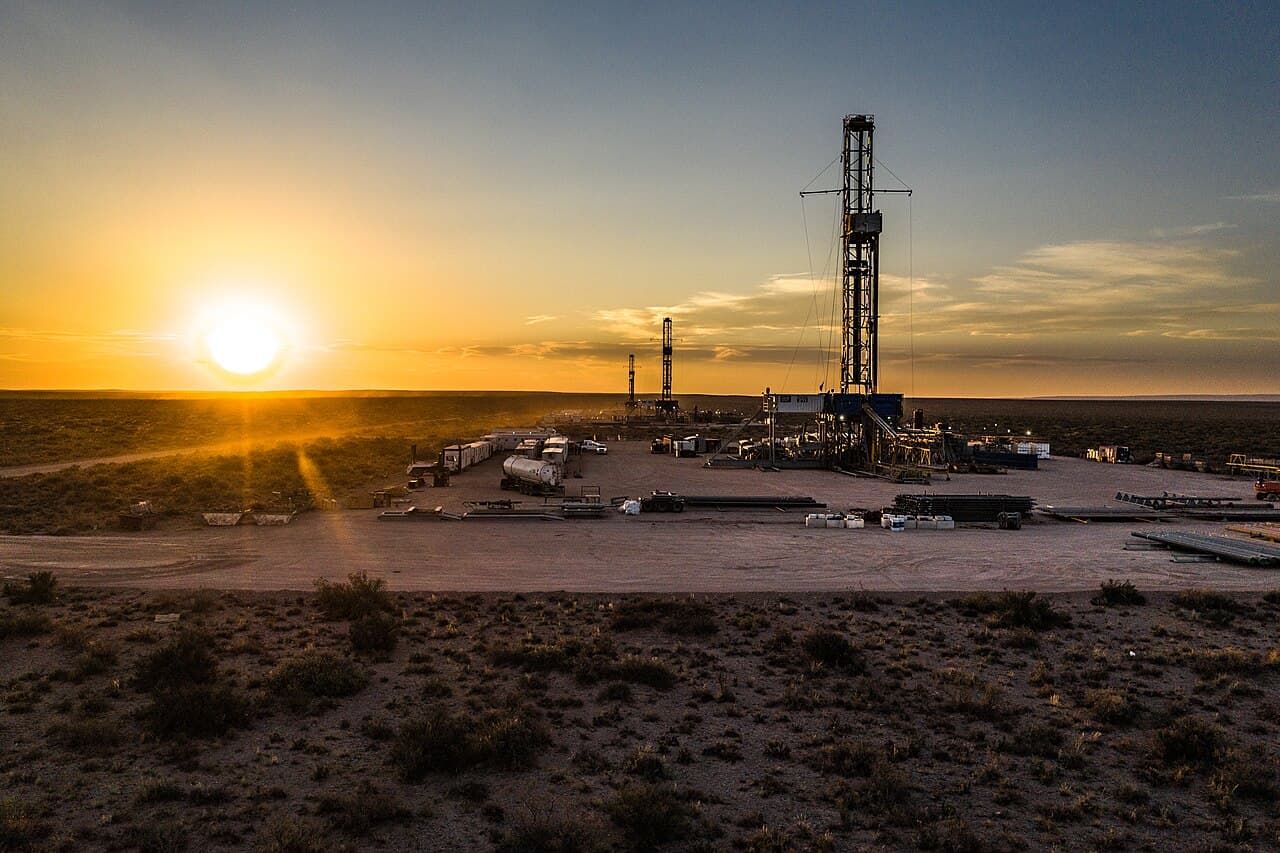
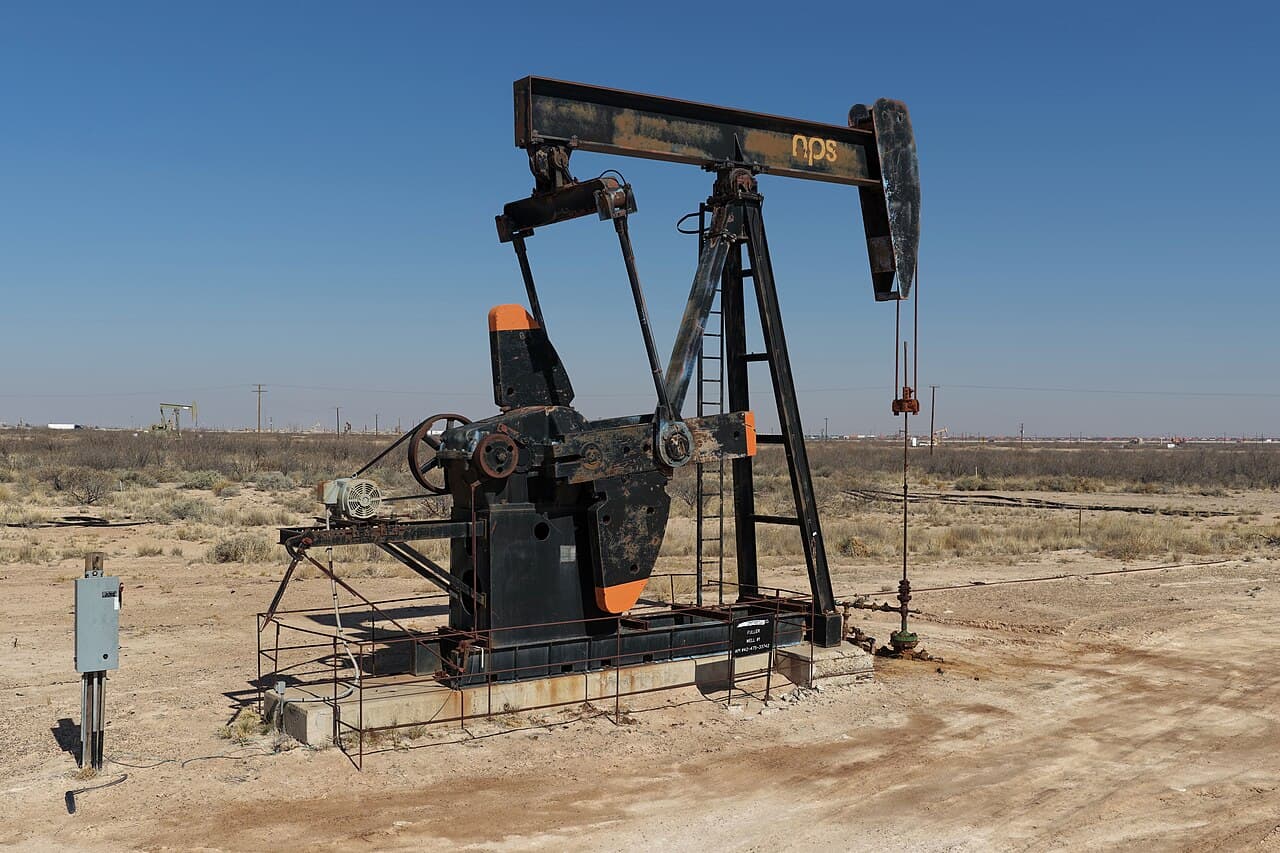
Reuters reported the S&P 500 Energy sector up about 1.4% early Tuesday as Brent crude held near a three-week high after the U.S.-Iran ceasefire expired without a durable agreement. That is happening while the broad market is lower and long Treasury yields are near multi-year highs.
The group was already acting well Monday. Exxon Mobil rose 1.50% to $161.46, Chevron gained 1.35% to $202.70, and ConocoPhillips added 1.29% to $127.56 while the S&P 500 fell 0.52%.
That two-day pattern matters more than a single oil headline: the group is showing both catalyst support and relative price confirmation.
Catalyst: persistent geopolitical risk around the Strait of Hormuz and crude supply.
Main risk: this is a headline-sensitive trade. A credible U.S.-Iran breakthrough can reverse oil and energy shares quickly.
Invalidation: energy stops outperforming the S&P 500 on a day when crude is still firm, or Brent loses the current breakout after a genuine de-escalation headline.
2. Refiners: stronger than the oil majors, but easier to chase badly
The refining trade has an extra tailwind that is separate from crude itself: tight product supply.
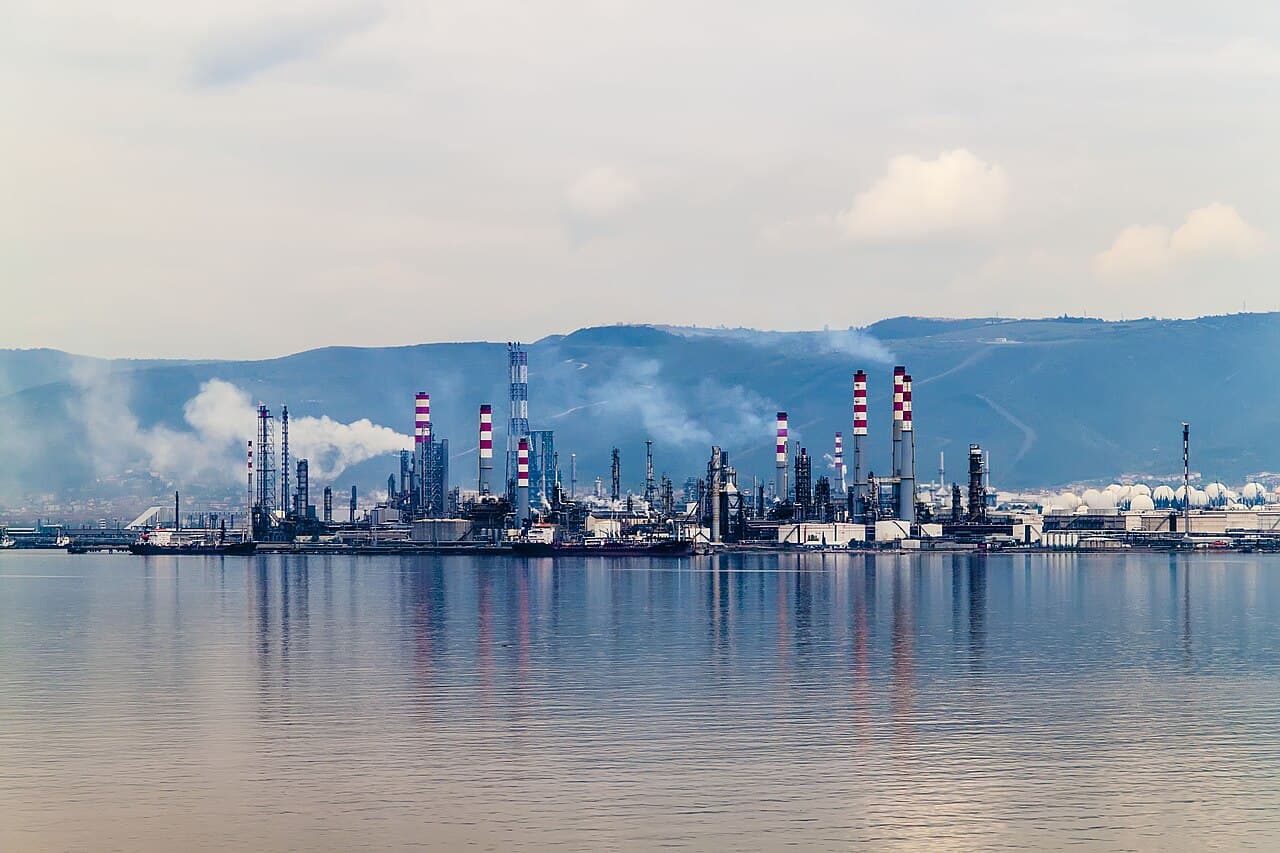
Reuters Breakingviews noted that diesel and jet-fuel inventories remain unusually tight, with refinery outages and reduced processing capacity supporting margins even when crude prices are volatile. That has helped refiners such as Valero, Marathon Petroleum and Phillips 66 outperform traditional integrated oil majors over the recent run.
Monday was especially strong:
- Valero (VLO) rose 1.62% to $347.19 and set a new 52-week high.
- Phillips 66 (PSX) rose 2.97% to $240.55, its sixth consecutive gain, also setting a new 52-week high on above-average volume.
- Marathon Petroleum (MPC) had already set a new 52-week high last week as the refining group accelerated.
The setup is attractive because the business driver is not simply “oil went up.” Refining margins can stay elevated when product supply is tight even if crude stops climbing.
The danger is obvious: this is no longer an undiscovered trade. VLO and PSX are already breaking records.
Catalyst: tight diesel/jet-fuel supply and strong refining margins.
Main risk: demand destruction, refinery capacity returning faster than expected, or a sharp compression in product cracks.
Invalidation: VLO closes back below its prior breakout area around $346, or PSX loses the former high around $236, especially if that happens while the energy sector remains firm.
3. Healthcare: defensive strength, not a growth story
Healthcare is different from energy. The sector is not being driven by one fresh commodity catalyst; it is being used as a shelter from a hostile rate-and-volatility setup.
Reuters said healthcare stocks were gaining while the CBOE Volatility Index reached its highest level in roughly two weeks. That matters because long-duration technology is getting hit from both sides: higher yields reduce valuation support, while rising oil revives inflation concerns.
I would treat healthcare strength as a regime signal rather than a reason to chase every pharmaceutical or insurer.
Catalyst: defensive rotation as volatility rises and technology leadership weakens.
Main risk: a sharp fall in Treasury yields can send capital straight back into growth stocks.
Invalidation: healthcare starts underperforming on another weak Nasdaq session, which would tell us investors are selling broadly rather than rotating defensively.
4. Consumer staples: quietly doing their job
Consumer staples are also green in Tuesday's weak tape. That is not spectacular, but that is the point.
When the Nasdaq is down more than 1% and semiconductors are down several percent, a sector that simply holds positive territory is showing useful relative strength. Staples have more stable demand and generally less sensitivity to the long-duration valuation problem hurting AI and software names.
The complication is energy inflation. Higher oil can eventually raise transportation, packaging and input costs, so a long-running oil shock is not automatically good for staples.
Catalyst: defensive rotation and earnings stability.
Main risk: persistent input-cost inflation compresses margins while the consumer weakens.
Invalidation: staples lose their relative edge while yields stay high and tech remains weak.
What I am not calling momentum
Home Depot is the obvious near-miss. The company beat second-quarter sales estimates, but Reuters described the stock as subdued in choppy early trading. Good earnings do not automatically equal momentum if the price cannot hold a clean post-report move.
I am also not adding beaten-down tech names merely because they bounce intraday. Tuesday's semiconductor index was down roughly 3.7% at the early snapshot. A one-hour rebound inside that selloff is not the same thing as durable relative strength.
The setup I would watch into the close
The hierarchy is simple:
- Energy producers — strongest live sector confirmation.
- Refiners — strongest multi-day momentum, but increasingly extended.
- Healthcare — useful defensive rotation signal.
- Consumer staples — quieter defensive confirmation.
If crude stays firm and the broad market remains weak, energy should continue to be the first place to test whether the rotation has legs. If oil reverses but refiners hold their breakouts, that would actually strengthen the case that product-market tightness — not crude speculation alone — is driving the trade.
If yields fall and technology recovers sharply, healthcare and staples are the groups most likely to lose their relative advantage first.
Sources
- Reuters — Tech stocks weigh on Wall Street as Iran stalemate lifts oil, yields, Aug. 18
- Reuters — Wall Street indexes slip as oil prices rise, Aug. 17
- Reuters Breakingviews — Oil shock's bigger problem is at the refinery, Aug. 17
- MarketWatch — Exxon Mobil Aug. 17 relative strength
- MarketWatch — Valero Aug. 17 new 52-week high
- MarketWatch — Phillips 66 Aug. 17 sixth consecutive gain and new 52-week high
- Wikimedia Commons — Refinery.jpg, CC0/public-domain dedication
Educational disclaimer: This article is for informational and educational purposes only. It is not financial advice or a recommendation to buy, sell or short any security. Intraday momentum can reverse quickly on geopolitical headlines, commodity moves, earnings, rates and market-wide risk changes.